
Cricket has become a real-time digital experience. Fans no longer rely solely on television broadcasts or delayed scorecards. Today’s users expect instant ball-by-ball updates, live scores, session data, and dynamic match insights delivered directly to their screens. This shift in consumption has driven the demand for reliable cricket data systems, particularly Cricket Live Line APIs.
For platforms operating in fantasy sports, betting, analytics, or sports media, understanding how a Cricket Live Line API works is essential for building fast, accurate, and engaging applications.
Introduction to Live Cricket Data APIs
Evolution of Live Cricket Data
Cricket data has evolved from manual score reporting to automated, real-time digital feeds. Earlier systems relied on score updates published after overs or innings. As internet infrastructure improved, data providers began offering live scores, commentary, and match statistics through structured digital feeds.
With the rise of mobile apps and real-time user engagement, cricket data delivery shifted toward APIs that could stream updates instantly, often within seconds of on-field events.
Why Real-Time Data Matters in Cricket Applications
Cricket is a game of moments—every ball can change the match outcome. For applications serving live audiences, delayed data reduces engagement and credibility. Real-time data enables users to track matches closely, make timely decisions, and stay connected throughout the game.
This demand for immediacy is what makes live cricket data APIs a foundational component of modern sports platforms.
What Is a Cricket Live Line API?
Definition in Simple Terms
A Cricket Live Line API is a software interface that delivers real-time cricket match information directly to applications. It provides continuous updates such as live scores, ball-by-ball events, match status, and related metrics in a structured data format.
Instead of manually updating data, developers use the API to automatically receive live match information as it happens.
Core Purpose of Live Line APIs
The primary purpose of a live line API is to ensure speed, accuracy, and consistency in cricket data delivery. It allows applications to present up-to-date match information without interruption, enabling seamless user experiences across devices and platforms.
How Cricket Live Line APIs Collect Data
Data Sources and Match Feeds
Live line APIs aggregate data from multiple sources, including on-ground data collectors, official score feeds, and verified match tracking systems. These sources capture events such as runs, wickets, overs, and match progress in real time.
The collected data is transmitted to central servers, where it is prepared for API delivery.
Data Verification and Accuracy
Accuracy is critical in live sports data. Before updates are pushed to users, data often passes through validation layers that check for inconsistencies or anomalies. This helps maintain reliability, especially during high-pressure match situations where rapid changes occur.
How a Cricket Live Line API Works (Step-by-Step)
Match Data Ingestion
Once a match begins, live data streams start flowing into the system. Events are ingested continuously, ensuring no interruption in coverage from the first ball to the final result.
Processing and Normalization
Raw match data is processed and converted into standardized formats. This normalization ensures compatibility across different applications and platforms, allowing developers to integrate the data without custom handling for each match.
Real-Time Data Delivery
After processing, data is delivered instantly to connected applications via the API. Updates are pushed or pulled in near real time, allowing users to see changes almost as they happen on the field.
Real-Time Data Types Provided by Cricket Live Line APIs
Live Scores and Ball-by-Ball Updates
The most common data elements include current scores, over details, ball-by-ball commentary, and player actions. These updates form the backbone of live cricket applications.
Match Status and Session Data
Beyond scores, APIs provide match status information such as innings progress, session summaries, target calculations, and match outcomes.
Odds, Rates, and Related Metrics
In certain implementations, live line APIs also include calculated metrics like rates, session values, or derived match indicators that enhance user understanding of the game’s progression.
API Communication Methods Used
REST APIs Explained
REST APIs allow applications to request data at regular intervals. They are widely used due to their simplicity and compatibility with most development frameworks.
WebSocket and Push-Based Updates
For faster updates, WebSocket or push-based systems deliver data instantly without repeated requests. This method is particularly effective for live matches where updates occur frequently.
Accuracy, Latency, and Performance Considerations
Importance of Low Latency
Latency refers to the delay between an on-field event and its appearance in the application. Even small delays can impact user trust, especially in competitive environments. High-quality live line APIs prioritize minimal latency.
Data Synchronization Challenges
Handling simultaneous updates from multiple matches or formats can be challenging. Synchronization ensures that all users see consistent data regardless of location or device.
Use Cases of Cricket Live Line API
Fantasy Sports Platforms
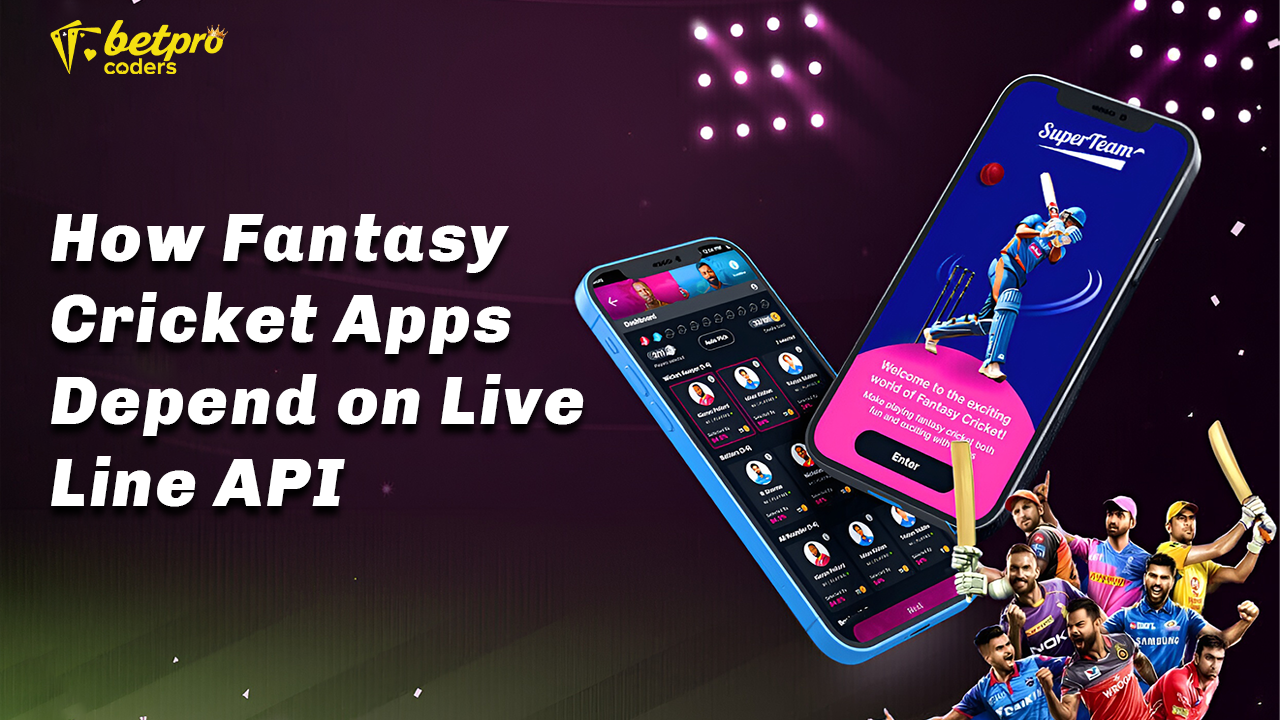
Fantasy cricket platforms rely on live line APIs to calculate points, update player performance, and maintain fair competition among users.
Betting and Gaming Applications
In betting systems, real-time data is essential for live markets, odds updates, and result settlements. Accuracy and speed are critical in these environments.
Cricket Analytics and Media Apps
Media platforms use live data to power live blogs, statistics dashboards, and match analysis tools that enhance audience engagement.
Benefits of Using a Cricket Live Line API
Improved User Engagement
Real-time updates keep users engaged throughout the match, increasing session duration and repeat visits.
Reduced Development Effort
APIs eliminate the need to build complex data collection systems from scratch, allowing teams to focus on user experience and core functionality.
Scalability and Reliability
Well-designed APIs scale easily during high-traffic events and maintain consistent performance across large user bases.
Key Factors to Consider When Choosing a Cricket Live Line API
Data Accuracy and Uptime
Consistent uptime and verified data sources are essential for maintaining trust and application reliability.
API Documentation and Support
Clear documentation and responsive support help developers integrate and manage the API efficiently, reducing implementation time.
Future of Cricket Live Line APIs
AI and Predictive Analytics
Future systems are expected to incorporate predictive insights, trend analysis, and enhanced data intelligence to offer deeper match understanding.
Enhanced Real-Time Experiences
Advancements in streaming and data delivery will further reduce latency and improve interactive experiences for users.
Conclusion
A Cricket Live Line API serves as the backbone of modern cricket applications by delivering fast, accurate, and structured real-time data. From live scores to advanced match metrics, it enables platforms to meet growing user expectations without complex internal systems.
For businesses and developers building cricket-focused digital products, choosing the right live line API is a strategic decision. With experience in sports data and real-time application development, BetPro Coders focuses on helping platforms integrate reliable cricket data solutions that align with performance, scalability, and long-term product goals.


















Write a comment ...